Art therapy is a unique way to express feelings and emotions, and it can be incredibly beneficial for anyone looking to improve their mental health. By using various art forms, like painting, drawing, or sculpting, people can tap into their creativity and find relief from stress, anxiety, and even depression. It’s like a natural outlet for what’s going on inside, and sometimes just getting those feelings out on paper can lead to incredible breakthroughs.
One of the best things about art therapy is that you don’t need to be an artist to benefit from it. The goal isn't to create a masterpiece; it's all about the process of creating and how it makes you feel. Many people find that the simple act of putting pen to paper or brush to canvas is incredibly calming. It helps to quiet the mind and allows for deeper exploration of thoughts and feelings.
Art therapy can also be a great way to improve communication skills. For those who find it hard to express themselves verbally, art offers a visual language. You might find it easier to share what you’re going through when you can show it instead of just saying it. This can lead to improved relationships with family, friends, and therapists, making it a valuable tool for personal growth.
Another benefit is the boost in self-esteem that can come from creating art. Completing a piece, no matter how simple, gives a sense of accomplishment. It encourages you to embrace your uniqueness and helps you appreciate the effort you put into your work. This newfound confidence can ripple out into other areas of your life, helping you feel more empowered.
Ways Art Helps Improve Mental Health
Art isn't just about creating pretty pictures; it can really boost your mental health. Whether you're picking up a paintbrush, scribbling in a sketchbook, or diving into a digital art app, engaging in creative activities can lift your mood and help you express feelings that are hard to put into words.
One major way art helps is by reducing stress. When you focus on creating, you might find the world around you fades away for a bit. That escape can be refreshing and let you unwind after a long day. Plus, there’s something super satisfying about finishing a piece of art; that sense of accomplishment can do wonders for your self-esteem.
Art also encourages self-exploration. As you create, you might uncover emotions or thoughts you didn’t realize were there. It’s like a conversation with yourself, allowing you to reflect on what you’re going through. This can be especially helpful if you’re dealing with anxiety or sadness—it gives you a safe space to understand your feelings better.
Finally, sharing your art with others can create connections and build a supportive community. Whether you join a local art group or share your pieces online, you get to meet others who appreciate and understand your journey. That sense of belonging can be incredibly uplifting.
Getting Started with Art Therapy
Art therapy can be a wonderful support tool for anyone looking to explore their feelings and express themselves creatively. It’s not just about being a great artist; it’s about using art to connect with yourself on a deeper level. This could be painting, drawing, or even sculpting—whatever feels right for you.
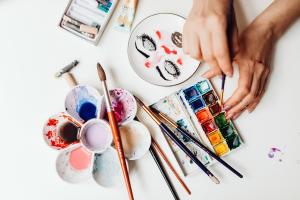
Getting started is super easy! First, find a cozy space where you feel comfortable. Gather some basic supplies like colored pencils, markers, or paints. You don’t need fancy tools; just use what you have at hand. The goal is to relax and let your creativity flow without worrying about the final product.
Try setting aside some time each week for your art therapy practice. You could dedicate 30 minutes to draw whatever comes to mind or paint your feelings. Don’t think too much about what you are creating—this is all about release and exploration. Let your emotions guide your hand!
If you feel stuck, consider prompts to kickstart your creativity. You might choose themes like “nature” or “dreams,” or simply express your current mood through colors and shapes. Remember, it’s not about creating a masterpiece but about enjoying the process and discovering what you’re feeling.
Lastly, keep a journal of your art. Jot down what the artwork means to you, how it makes you feel, or any thoughts that pop up as you create. This reflection can really deepen your understanding of the emotions you're experiencing and enhance your journey through art therapy.
Choosing the Right Supplies for You
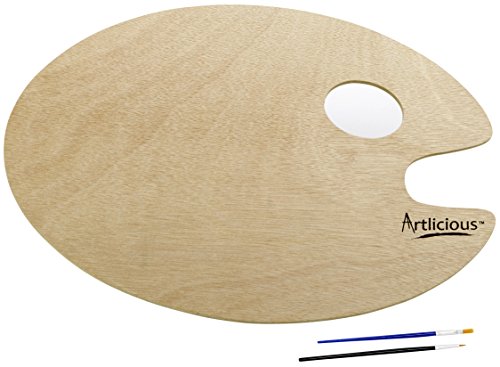
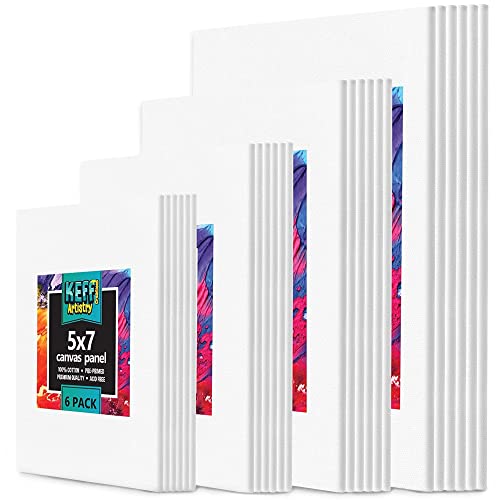
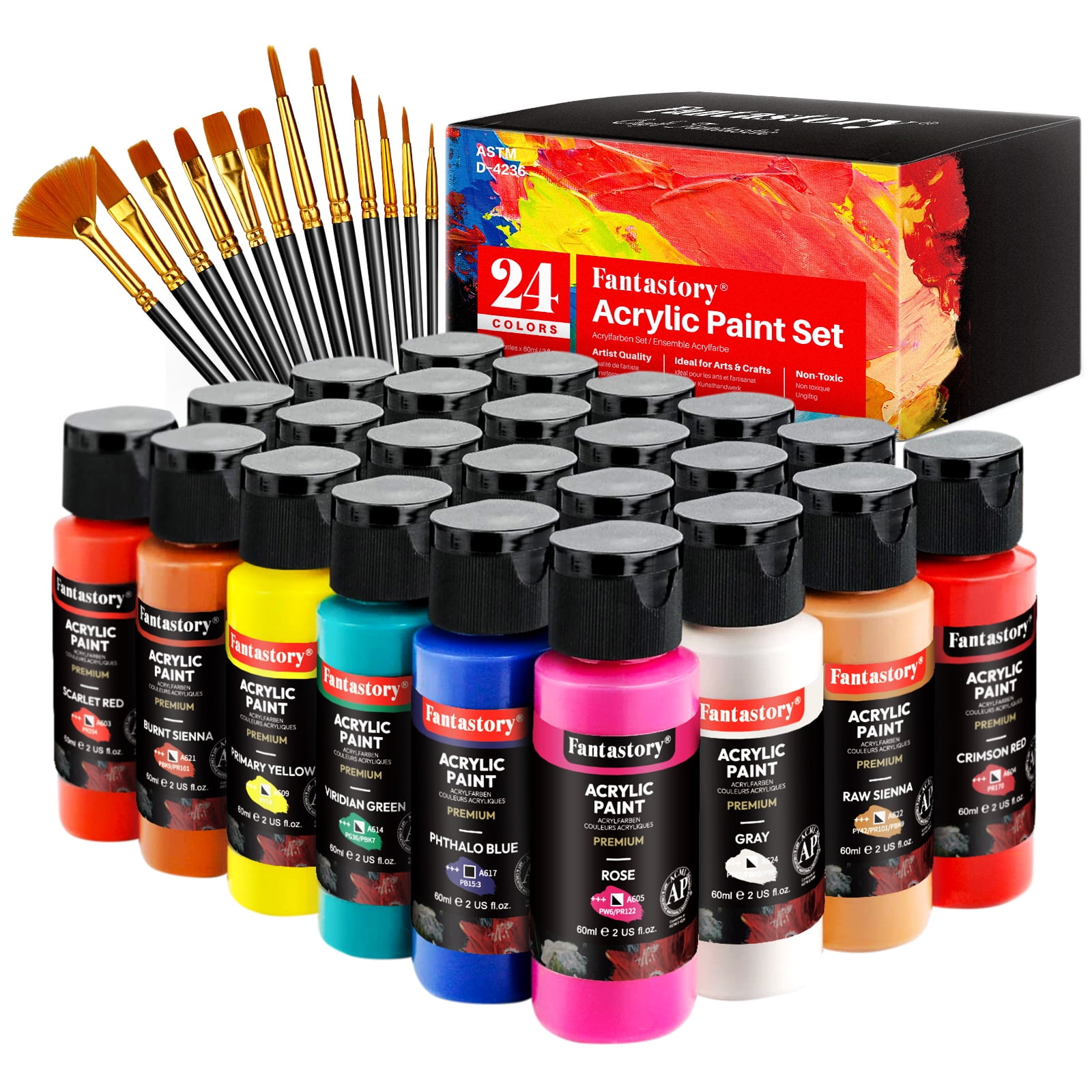
Picking the right art supplies can feel like a big task, but it really doesn't have to be. Start by thinking about what you enjoy most. Do you love painting, drawing, or maybe something like collage? Each art form has its own must-have tools. For instance, if you’re more into painting, you'll want a good set of brushes and some quality paints. But if you love sketching, go for a sketchbook and a few nice pencils.
Don’t forget about the textures and colors that capture your imagination. Pastels, watercolors, acrylics—the options are endless! If you're exploring art therapy, let your mood guide you. Soft pastels can create calming vibes, while vibrant acrylics can energize you. Think about what colors speak to you and choose supplies that make your heart smile.
Another important factor is your skill level. If you're just starting out, there’s no need to invest in high-end products right away. Go for affordable options that give you room to play and experiment. Look for beginner-friendly kits; these often include everything you need without overwhelming you with choices.
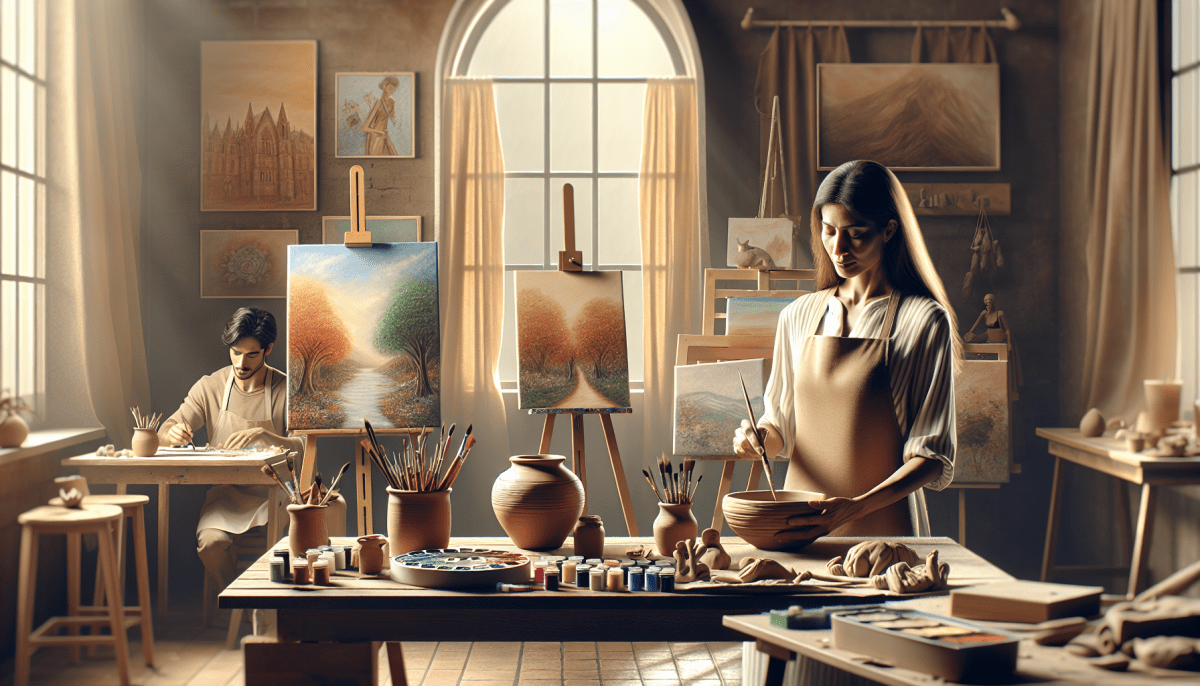
Lastly, make sure you have a comfy space to unleash your creativity. A solid work surface, good lighting, and all your supplies within reach can make all the difference. Keep your space organized so you can dive into your art whenever inspiration strikes!